

What is Collagen?
Collagen is the most common protein in the human body and plays a very important role in wound healing. It gives strength and flexibility to the skin, bones, tendons, and ligaments. In the skin, collagen has a fibrous, rope-like structure that acts like a support net, helping to hold cells in place. This structure forms a natural scaffold where new skin cells can grow and damaged tissue can repair itself. In wound care, collagen helps wounds heal faster by supporting new tissue growth and keeping the wound strong and stable during the healing process.
Forms of Collagen
Sources
Collagen used in medical dressings can come from different animal sources, such as cows (bovine), pigs (porcine), or birds (avian). These natural sources provide collagen that supports wound healing by encouraging new tissue growth. In more advanced cases, collagen can also be specially made or engineered in laboratories.
Additionally, plant-based alternatives to collagen, such as those made from soy, corn, or genetically modified yeast and bacteria, are being developed to meet the growing demand for vegan and sustainable options. These sources allow collagen-based medical dressings to be used more widely while supporting safe and effective healing.
Forms of Collagen Medical Dressings

| Form of Dressing | Description |
| Sheets/Pads | Flat pieces of collagen dressing are applied directly to the wound. They cover and protect the wound while helping it heal. |
| Gels/Pastes | Soft, spreadable collagen dressings are used for wounds with uneven shapes or cavities. They fill gaps and reach all areas of the wound. |
| Particulates/Powders | Small particles of collagen can be sprinkled on wounds. They absorb moisture and support gentle healing. |
| Spray/Liquid | Collagen in liquid or spray form is ideal for covering large or hard-to-reach areas. Easy to apply and helps maintain a moist healing environment. |
Collagen for Wound Care
Providing a Scaffold
Collagen for Wound Care plays an important role by providing a scaffold, or framework, that supports the body’s natural healing process. When applied to a wound, collagen dressings create a structure that helps new skin cells grow and move into the wound area. This scaffold gives the cells something to attach to and build on, making it easier for the wound to close and heal properly. By guiding cell movement and tissue formation, collagen for wound care helps speed up recovery and supports healthy skin regeneration.
Attracting Cells
Collagen helps the healing process by attracting important cells to the wound site. One of these cells is called a fibroblast, which is responsible for making more collagen and rebuilding damaged tissue. When collagen is applied to a wound through a medical dressing, it sends signals that draw fibroblasts and other healing cells into the area. These cells then start working to repair the skin by forming new tissue and supporting proper wound closure. This natural ability to attract healing cells makes collagen for wound care a valuable part of advanced wound treatment.
Promoting Tissue Formation
Collagen for Wound Care helps the healing process by promoting the formation of new tissue. It supports the growth of granulation tissue, which is the healthy, red tissue that fills the wound and provides a base for new skin to form. Collagen also helps with epithelialization, which is the final stage where the skin grows over the wound to close it. By encouraging both tissue growth and skin closure, collagen for wound care plays a key role in making the wound heal faster and more completely.
Moist Wound Environment
Collagen helps create a moist wound healing environment, which is very important for proper healing. A moist environment prevents the wound from drying out and forming hard scabs, which can slow down the healing process. Instead, it keeps the wound surface soft, allowing new skin cells to grow and move more easily. This also helps reduce pain, lower the risk of infection, and support faster tissue repair. By maintaining the right level of moisture, collagen for wound care improves overall healing and leads to better results.
New Collagen Deposition
New Collagen Deposition means it supports the body in creating fresh, organized collagen at the wound site. This process is important for building strong, healthy tissue and closing the wound properly. By encouraging the body to produce new collagen in an orderly way, collagen dressings help the skin repair itself more effectively, reduce the risk of scarring, and support long-term healing. This makes collagen for wound care a valuable tool in managing both minor and complex wounds.
MMP Regulation
MMPs (matrix metalloproteinases) are enzymes that break down damaged tissue but can also harm healthy collagen if levels become too high. Collagen dressings work by binding to these extra MMPs and stopping them from attacking the body’s natural collagen. This protects the skin’s own healing ability. The collagen in the dressing acts as a “sacrificial” source, meaning it takes the damage so the body’s collagen can be preserved and used for new tissue growth. This helps support faster wound healing.
Combination Therapies
Collagen is often used in combination with other helpful ingredients to improve healing. Some collagen dressings are mixed with silver, which helps fight bacteria and reduce the risk of infection. Others may include alginate, a natural substance that absorbs extra fluid (exudate) from the wound, keeping the area clean and balanced. In some cases, EDTA is added to help control enzymes called MMPs, which can slow healing if they are too active. These combination therapies make collagen dressings more effective by addressing multiple wound care needs at the same time.
Enzyme Regulation
Collagen also helps with enzyme regulation, which is important for proper healing. During the healing process, the body produces enzymes that break down damaged tissue, but too many of these enzymes can slow healing by harming healthy tissue. Collagen dressings help control the activity of these enzymes, keeping the balance right. By doing this, collagen for wound care protects new tissue, supports healthy cell growth, and helps create a stable environment where the wound can heal more effectively.
Benefits of Collagen in Wound Care

Accelerated Healing
Collagen is a natural protein that plays a big role in helping wounds heal faster. In medical dressings, collagen provides a supportive structure, like a scaffold, where new skin cells can grow and repair the damaged area. It also attracts important healing cells to the wound site, which helps speed up the process of 4 different stages of wound healing. By creating the right environment for skin regeneration, collagen-based dressings can reduce healing time and improve overall recovery.
Reduced Scarring
Collagen used in medical dressings helps the wound heal in a more organized and natural way. It supports the proper growth of new tissue, which can reduce the chance of thick or uneven scars forming. By guiding the skin to repair itself smoothly, collagen dressings help achieve a cleaner and more attractive healing result with scars that are less visible and more refined.
Enhanced Cell Growth
In wound care, collagen helps support and speed up the body’s natural healing process by encouraging enhanced cell growth. When collagen is applied through a medical dressing, it creates a healthy environment that helps new skin cells grow and move across the wound. This is important because these new cells are needed to close the wound and rebuild damaged tissue. Collagen also attracts cells that repair and rebuild the skin, helping the wound heal faster and more smoothly.
Maintaining a Moist Environment
Collagen dressings are very helpful in wound care because they keep the wound moist, which is important for proper healing. A moist environment allows new skin cells to grow faster, helps tissues repair more effectively, and reduces the chance of the wound drying out or forming a scab too soon. By keeping the right level of moisture, collagen dressings also support a cleaner wound area and lower the risk of infection. This makes healing quicker and more comfortable, especially for chronic or hard-to-heal wounds.
Biocompatibility
Collagen is a natural protein already found in the human body, which makes it highly biocompatible. This means it is easily accepted by the skin and tissues without causing irritation or allergic reactions. In wound care, using medical dressings that contain collagen helps the body heal more comfortably and safely. Because it works well with the body’s natural healing process, collagen dressings are often used to support faster tissue repair and reduce the risk of complications.
When is Collagen Recommended for Wound Care?
Chronic Wounds
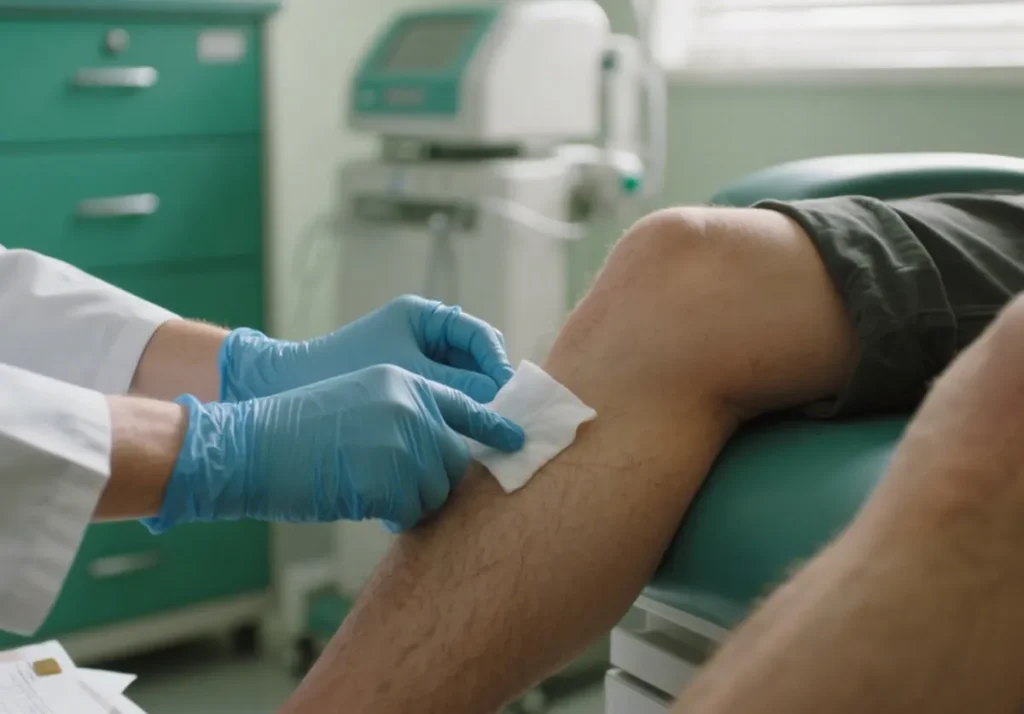
Collagen dressings are especially helpful for wounds that heal very slowly, such as diabetic ulcers, pressure injuries, and venous ulcers. These wounds often need extra support to encourage new tissue growth and speed up the healing process. Collagen provides a natural scaffold that helps the skin rebuild itself more effectively.
Surgical Wounds
After surgery, wounds need strong support to heal well and avoid complications. Collagen dressings help by protecting the surgical site, promoting tissue repair, and reducing the risk of infection. This helps the wound heal faster and more smoothly after an operation.
Partial and Full-Thickness Wounds
Collagen dressings are recommended for wounds that have lost a significant amount of tissue, whether the damage affects just the top layers of the skin (partial-thickness) or extends deeper through all skin layers (full-thickness). These dressings help provide a framework that supports new tissue growth and speeds up healing in wounds with more serious tissue loss.
Wounds with Minimal Exudate
Collagen dressings work best on wounds that do not produce too much fluid (exudate). When a wound is only slightly wet, collagen dressings help maintain the right moisture balance, supporting healing without becoming too soggy or drying out the wound.
Collagen Medical Dressing for Optimal Healing
In advanced wound care, collagen is well known for helping the skin rebuild and heal. Our medical dressings are designed to support superior wound healing through both collagen-based and Ganoderma Lucidum chitosan-based solutions, each working in harmony with the body’s natural regeneration process.
Collagen medical dressings provide a direct source of collagen to support new tissue growth, strengthen the wound area, and accelerate the healing process. These are ideal for wounds that benefit from enhanced structural support during recovery.
Ganoderma Lucidum chitosan-based dressings, on the other hand, naturally stimulate the body’s own collagen production. They soothe inflammation, help prevent infection, and maintain a moist environment that’s essential for tissue repair and skin regeneration.
Key Benefits of Our Medical Dressings:
- Supports Natural Regeneration: Both collagen and Ganoderma dressings help rebuild damaged skin by supporting collagen activity, either by providing it directly or stimulating natural production.
- Optimal Moist Environment: Maintains the ideal moisture level to speed up healing, reduce the risk of infection, and encourage healthy skin formation.
Versatile Forms: Available in sheets, pads, gels, and sprays to suit various wound types and treatment needs across both medical and cosmetic care.
