

Understanding Different Types of Minor Wounds
Minor Cuts
These are small openings in the skin caused by sharp objects like paper, glass, or knives. They may bleed a little and should be cleaned and covered to prevent infection.
Scrapes (Abrasions)
These occur when the skin is rubbed or scraped off, such as falling on a rough surface. They may not bleed much, but they can sting and easily get dirty. Cleaning is important in how to care for a wound like this.
Puncture Wounds (Superficial)
These are small holes made by pointed objects like pins, needles, or splinters. They may not bleed much, but can allow germs to enter, so cleaning and monitoring are essential in how to care for a wound.
Minor Burns (First-Degree or Small Second-Degree)
First-degree burns cause redness and pain, while small second-degree burns may include blisters. Cooling the area and protecting it from infection are key parts of how to care for a wound caused by minor burns.
How to care for a wound
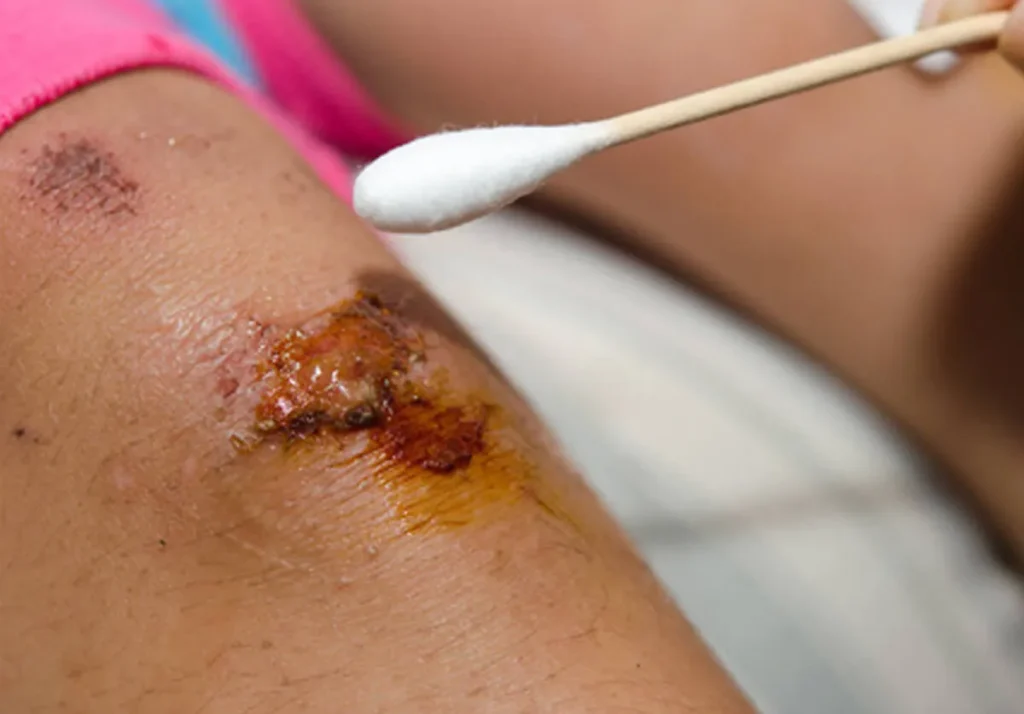
Daily Cleaning
A key part of how to care for a wound is daily cleaning. Gently washing around the wound using mild soap and water or a saline solution helps keep the area clean and free from germs. After cleaning, the area should be patted dry carefully. It is important not to rub the wound directly, as this can slow down healing or cause irritation. Keeping the wound clean every day supports faster and safer healing.
Promote a Moist Healing Environment
An important part of how to care for a wound is to promote a moist healing environment. Wounds tend to heal faster and better when kept slightly moist instead of dry and scabbed. Moist conditions help skin cells grow, move, and repair the damaged area more effectively. This can be done by using proper medical dressings that are made to hold in moisture, such as hydrocolloid or silicone dressings. These dressings protect the wound and support quicker, healthier healing.
Choose the Right Dressing
Types
A key step in how to care for a wound is choosing the right dressing. There are different types of dressings used depending on the wound’s size, depth, and moisture level. Common options include bandages, gauze, and adhesive dressings. For more serious wounds, specialized wound dressings like hydrocolloid, hydrogel, or advanced medical dressings with ingredients such as chitosan may be used. These dressings help protect the wound, keep it moist, and support faster healing. Selecting the right type is important for proper wound care.
Purpose
An important part of how to care for a wound is understanding the purpose of the dressing. A good dressing protects the wound from bacteria and physical harm, helping to prevent infection. It also absorbs any extra fluid that comes from the wound, which keeps the area clean. At the same time, it maintains the right amount of moisture, which is important for faster and smoother healing. Choosing a dressing with these purposes in mind supports better wound care and recovery.
Apply a Thin Layer of Ointment
One helpful step in how to care for a wound is applying a thin layer of ointment. Using an antibiotic ointment or petroleum jelly can help keep the wound moist, which supports faster healing and reduces the chance of scabbing too early. This layer also prevents the dressing from sticking to the wound, making dressing changes easier and less painful. Keeping moisture balanced is a key part of effective wound care.
Cover the Wound
Covering the wound is an essential part of how to care for a wound. A clean, sterile bandage or gauze pad should be used, secured with medical tape to keep it in place. The dressing must fully cover the wound to protect it from dirt, bacteria, and other harmful elements. Keeping the wound covered also helps maintain a moist environment, which supports faster healing and reduces the chance of scabbing or scarring.
Change Dressings Regularly
One of the key steps in how to care for a wound is changing the dressings regularly. A clean dressing helps protect the wound from infection and supports proper healing. Dressings should be changed at least once a day, or more often if they become wet, dirty, or loose. Regular changes keep the wound environment clean and allow for checking any signs of infection or delayed healing. This simple practice plays a big role in speeding up recovery and preventing complications.
Protect from Further Injury
Keeping the area safe from bumps, friction, or pressure helps the wound heal faster and prevents reopening. Using soft padding or a protective covering can reduce the risk of irritation, especially if the wound is on a body part that moves often or is exposed to contact.
Barriers to Wound Healing
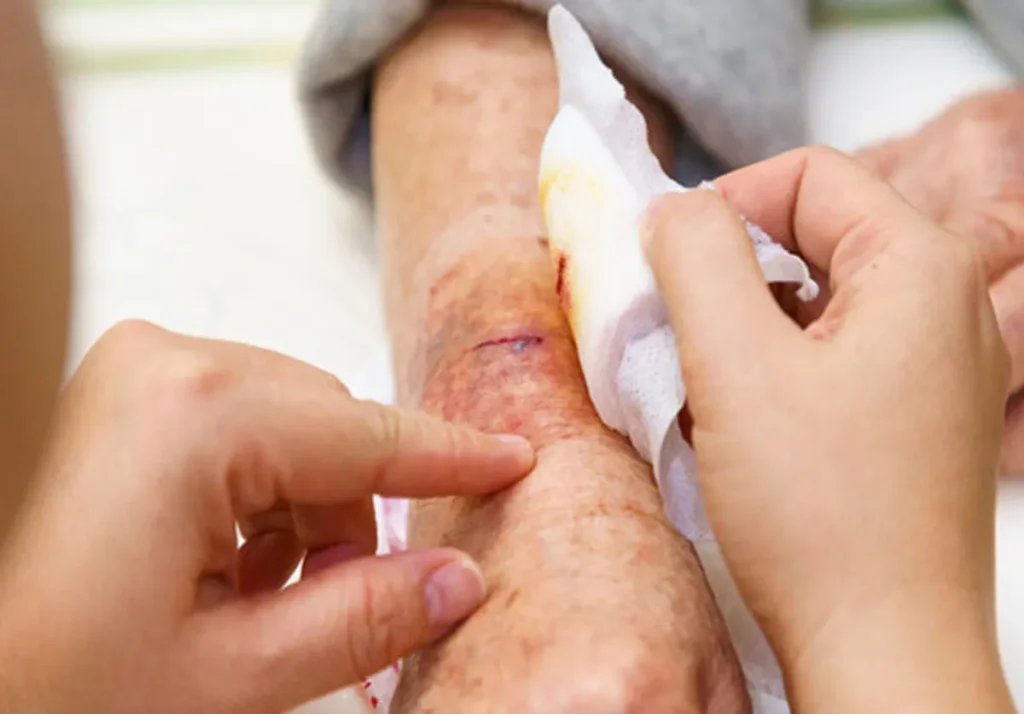
Dead Skin (Necrosis) & Foreign Materials
Dead skin (necrosis) and foreign materials can slow down or stop the healing process. When dead tissue builds up in a wound, it blocks new, healthy cells from growing. Foreign materials like dirt, splinters, or leftover bandage fibers can cause infection or irritation. Removing these barriers is important to help the wound heal properly and prevent complications.
Infection
Infection is one of the biggest barriers to wound healing. When bacteria enter an open wound, the body focuses on fighting the infection instead of repairing the damaged skin. This can slow down or even stop the healing process. Signs of infection may include redness, swelling, warmth, pain, or pus around the wound. Keeping the wound clean and properly dressed is important to reduce the risk of infection and support faster healing.
Haemorrhage (Persistent Bleeding)
Haemorrhage (Persistent Bleeding) is a serious barrier to wound healing. When bleeding continues, it stops the wound edges from coming together, which delays the healing process. The open wound remains exposed, increasing the risk of infection and slowing down the formation of new tissue. Stopping the bleeding early is important to allow the wound to close and begin proper healing.
Mechanical Damage
Mechanical damage is a common barrier to wound healing. When a wound experiences constant pressure or friction, such as bedsores caused by staying in one position too long, the skin and underlying tissues can become injured again. This repeated damage slows down the healing process and can make the wound worse. Protecting wounds from mechanical damage is important to help them heal faster and properly.
Poor Diet
A poor diet can slow down the healing of wounds. When the body does not get enough important nutrients like vitamin C, zinc, and protein, it lacks the building blocks needed to repair skin and tissues. Without these essential nutrients, the wound healing process becomes weaker and takes longer. Eating a balanced diet helps support faster and better healing.
Tips for Faster and Healthier Healing
Applying Medical Dressing
Applying a medical dressing is a key step in protecting a wound and supporting faster healing. A good dressing helps keep the wound clean, prevents bacteria from getting in, and maintains the right amount of moisture, which is important for the skin to repair itself. It can also reduce pain and protect the area from further injury. Choosing high-quality dressings, such as those offered in our wound care product line, ensures gentle, effective coverage designed to promote safe and healthy healing.
Keep it Clean and Dry
Keeping a wound clean and dry is very important for faster and healthier healing. Good hygiene helps stop bacteria and dirt from entering the wound, which can cause infections. Gently cleaning around the wound with mild soap and water or saline solution keeps it free from germs. At the same time, keeping the wound dry prevents excess moisture that can slow healing or cause skin problems. Maintaining cleanliness and dryness creates the best environment for the skin to repair itself quickly and safely.
Avoid Picking or Scratching
Avoiding picking or scratching a wound is very important for faster and healthier healing. Picking or scratching can reopen the wound, which delays the healing process. It also increases the risk of infection because germs can enter through the open skin. Keeping hands away from the wound helps protect the new skin and allows the body to repair the injury safely and quickly.
Eat a Healthy Diet
Eating a healthy diet is important for faster and healthier healing. Good nutrition provides the body with vitamins and proteins that help repair damaged skin and tissues. Vitamins like vitamin C and vitamin A support the immune system and help build new cells. Protein is essential for rebuilding the wound area. Eating balanced meals with plenty of fruits, vegetables, and protein-rich foods gives the body the energy and nutrients needed to heal wounds well.
Stay Hydrated
Staying hydrated is very important for faster and healthier healing. Water helps the body work well and supports many processes, including repairing wounds. When the body has enough fluids, cells can get the nutrients they need and remove waste more easily. Drinking enough water helps the skin stay soft and promotes faster recovery from injuries.
Protect from Sun
Protecting a healing wound from the sun is an important part of the recovery process. Direct sunlight can damage sensitive skin and slow down healing. It may also cause the wound area to darken or leave a scar. Keeping the wound covered or using sun protection helps prevent discoloration and supports smoother skin repair. This step is especially important during the final stages of healing when new skin is forming.
Seek Professional Medical Advice
Sometimes, knowing how to care for a wound at home is not enough. While many wounds are small and heal with basic cleaning and dressing, some may need medical attention. Understanding when to seek help from a healthcare professional is an important part of how to care for a wound properly and prevent serious problems.
When to Seek Professional Medical Advice
- Deep wounds or wide-open edges
Wounds that go deep or have open edges may not close on their own. These often need stitches or other medical support. - Bleeding that doesn’t stop
If a wound continues to bleed after applying pressure for several minutes, a doctor should be consulted immediately. - Wounds from bites or dirty objects
Injuries caused by animal bites, human bites, or rusty and dirty tools can cause dangerous infections and may require tetanus shots or antibiotics. - Signs of infection
Redness, swelling, pus, foul smell, fever, or red streaks spreading from the wound are all signs of infection that need medical care. - Numbness or movement problems
If the wounded area feels numb or cannot move properly, there might be nerve or muscle damage that needs expert care. - Slow healing wounds
If a wound shows no improvement after about a week, it is a sign that healing is delayed and professional advice is needed. - Health conditions like diabetes
People with diabetes or a weak immune system must be more cautious, as their wounds can heal slower and carry more risk.
Enhance Your Healing Journey with our Wound Care Solutions
Understanding how to care for a wound is essential in developing products that truly support healing. As a medical dressing manufacturer, a strong focus is placed on delivering effective, science-backed solutions tailored to wound care needs.
Advanced Formulations
Understanding how to care for a wound includes using modern solutions that support faster and healthier healing. Advanced formulations in medical dressing products are designed to keep the wound moist, which is important for cell repair and tissue growth. These products include healing gels, sprays, and sheet-type dressings that help create a moist environment while protecting the wound from bacteria and outside irritants. Using these innovative options is a key part of how to care for a wound and support the body’s natural healing process.
High-Quality Ingredients
Using high-quality ingredients plays a key role in improving how to care for a wound. One powerful example is Ganoderma Lucidum Chitosan, known for its natural healing properties. This ingredient helps wounds heal faster, reduces the chance of scarring, and calms inflammation. It is included in advanced solutions like the Rapid Skin Injury Healing Solution (Medical Dressing), which supports healthier and quicker recovery. In the skincare and medical dressing field, choosing the right ingredients is an important part of learning how to care for a wound effectively.
Safety & Efficacy
When learning how to care for a wound, it is important to use products that are both safe and effective. High-quality wound care solutions should be tested carefully to make sure they support healing without causing irritation or infection. Products designed for how to care for a wound must help the skin recover quickly, reduce the risk of complications, and keep the wound clean and protected. Using trusted and well-formulated products can make a big difference in promoting faster and healthier healing.
