

Aesthetic medicine is a branch of treatments that focuses on improving a person’s appearance by treating cosmetic skin concerns such as wrinkles, loose skin, scars, moles, age spots, extra fat, cellulite, and uneven skin tone.
Aesthetic medicine often includes non-surgical or minimally invasive treatments, which means most procedures do not involve surgery and require little to no recovery time. Unlike traditional plastic surgery, which often needs longer healing, aesthetic medicine offers quicker solutions with natural-looking results. It combines medical knowledge with an artistic approach to enhance beauty in a safe and gentle way.
Non-Invasive Treatments
In aesthetic medicine, non-invasive treatments are becoming very popular because they are safe and require little to no recovery time. These treatments do not involve surgery or deep cuts, which lowers the risk of side effects and makes the process more comfortable. Modern consumers prefer options that allow them to return to daily activities quickly, without long healing periods. Medical dressings also support non-invasive treatments by helping the skin recover faster, protecting treated areas, and reducing the chance of infection or irritation. This makes non-invasive care more effective and appealing in the field of aesthetic medicine.
Who is Aesthetic Medicine For?
Aesthetic medicine is for people who want to improve the appearance of their skin and body in a gentle and natural way. It helps those who wish to reduce signs of aging like wrinkles, fine lines, and loss of volume. It also benefits individuals looking to improve skin texture, even out skin tone, and reduce issues such as acne scars or pigmentation. Aesthetic medicine offers subtle enhancements to facial features or body shape without the need for surgery. Additionally, it is suitable for anyone interested in preventing aging and maintaining a youthful look over time.
| Who Benefits from Aesthetic Medicine? | Examples |
| Address signs of aging | Wrinkles, fine lines, volume loss |
| Improve skin texture and tone | Acne scars, pigmentation |
| Enhance facial features or body shape subtly | Non-surgical facial contouring, body shaping |
| Prevent aging and maintain youthful skin | Preventative anti-aging treatments |
Aesthetic Medicine Treatments
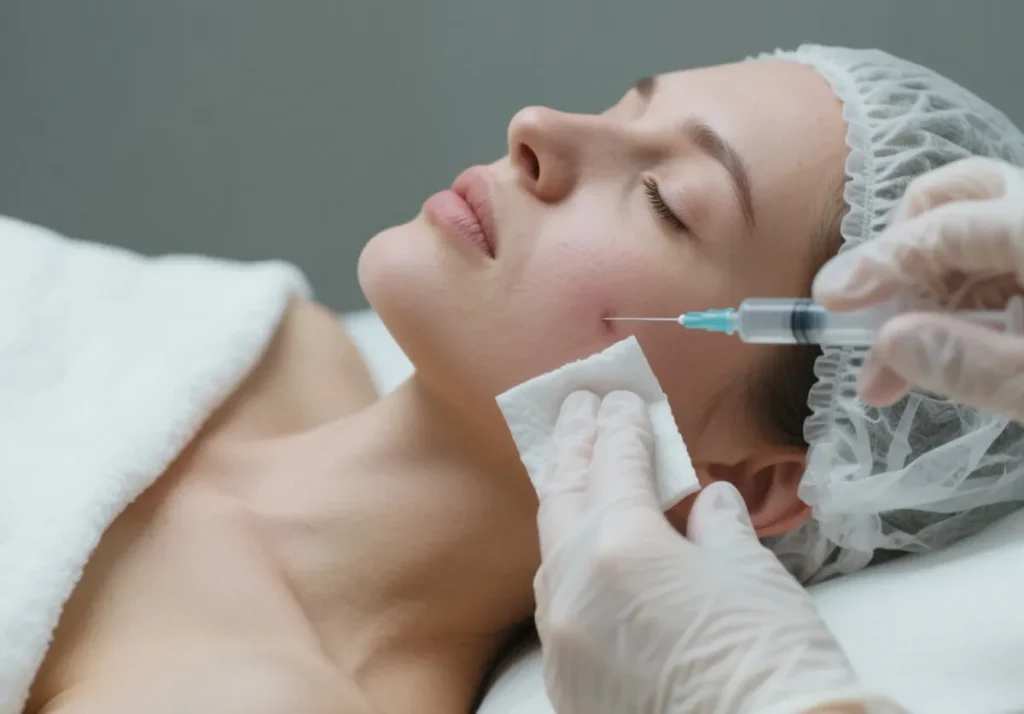
Injectables
Neurotoxins
Neurotoxins like Botox and Dysport are injectable treatments used to temporarily relax facial muscles, helping to smooth out fine lines and wrinkles, especially on the forehead and around the eyes. After such treatments, the skin may be slightly sensitive, and medical dressings can be helpful for calming the area and reducing any minor swelling or irritation.
Dermal Fillers
Dermal fillers are injectables used to restore lost volume in areas such as the cheeks, lips, and under the eyes. These treatments help create a fuller, youthful appearance. After filler injections, gentle medical dressings may be used to protect delicate skin and support healing in case of mild bruising or redness.
Platelet-Rich Plasma (PRP) and Platelet-Rich Fibrin (PRF)
Commonly known as “vampire facials,” PRP and PRF treatments use a person’s own blood to stimulate collagen production and improve skin texture. Tiny injections are made into the skin, which can leave small wounds. In this case, advanced medical dressings that support moist healing and reduce infection risk are often used to speed up recovery and enhance results.
Biostimulators
Biostimulators like Sculptra and Radiesse work by encouraging the body to produce collagen over time, leading to gradual volume restoration and improved skin elasticity. Though the results appear slowly, the injection sites may still benefit from protective dressings that help reduce swelling and support safe healing.
Deoxycholic Acid
Deoxycholic acid, such as Kybella, is used to dissolve fat, especially under the chin, helping to reduce the appearance of a double chin. As the area may swell or feel tender after treatment, cooling or soothing medical dressings can help manage discomfort and minimize any post-treatment irritation.
Skin Rejuvenation Treatments
Chemical Peels
Chemical peels are treatments that use safe acids to remove the outer layer of skin. This helps to exfoliate dead skin cells, reduce fine lines, and improve the skin’s tone and texture. After a chemical peel, the skin becomes more sensitive, so applying a gentle medical dressing or protective barrier may support healing and reduce irritation.
Microdermabrasion/Dermaplaning
These are non-invasive exfoliation methods that remove dead skin cells from the surface. Microdermabrasion uses tiny crystals or a diamond tip, while dermaplaning involves a fine blade to gently scrape the skin. Both treatments help improve smoothness and brightness. A soothing medical dressing or post-treatment mask can help calm the skin afterward.
Laser and Light Therapies
These treatments use focused light energy to target skin concerns like pigmentation, redness, scars, and unwanted hair. They can also tighten the skin by stimulating deeper layers. After laser sessions, the skin may feel warm or sensitive, and medical dressings with healing ingredients like chitosan can help reduce redness and protect the skin during recovery.
Microneedling
Microneedling uses tiny needles to create micro-injuries in the skin, which stimulates collagen production. It helps improve scars, pores, and skin texture. After treatment, the skin needs support to heal and stay protected. A medical dressing that maintains moisture and prevents infection can speed up recovery and enhance results.
Skin Tightening
Skin tightening treatments use technologies like radiofrequency or ultrasound (e.g., Ultherapy) to firm and lift the skin by heating deep layers and boosting collagen. These treatments are usually non-invasive, but post-care is still important. Gentle skin care or soothing dressings can help reduce redness and keep the skin comfortable after the procedure.
Facial Harmonization
This treatment involves customized injections (like fillers or botulinum toxin) to balance the face’s shape and features. It can enhance symmetry and restore volume. After injections, mild swelling or redness may occur. Medical dressings are not always needed but cooling masks or calming skin products can help soothe the treated areas.
Body Contouring (Non-Surgical)
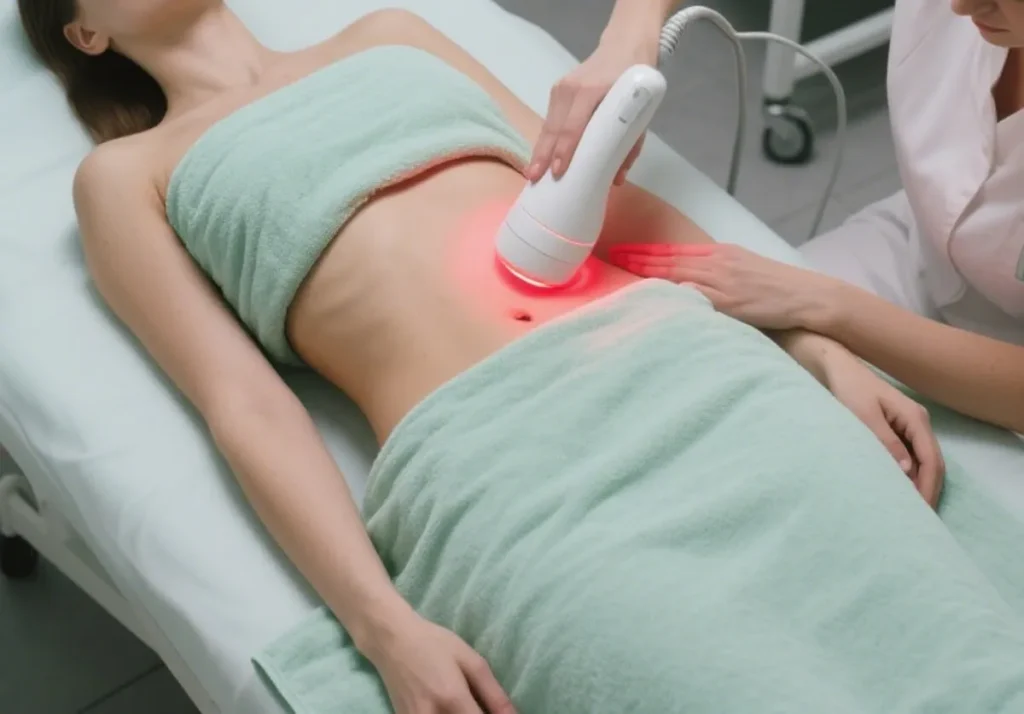
Non-surgical body contouring is a popular aesthetic treatment that helps shape and tone the body without surgery. It is used to reduce fat in specific areas, improve skin appearance, and create a more defined body shape. These treatments are gentle, require little to no recovery time, and are often combined with medical dressings to support skin healing and reduce irritation after the procedure.
Cryolipolysis (Fat Freezing)
Cryolipolysis is a non-invasive treatment that targets and freezes stubborn fat cells under the skin. The frozen fat cells are slowly broken down and removed by the body over time. It is commonly used for areas like the abdomen, thighs, and love handles. After the procedure, medical dressings may be applied to protect the skin, reduce redness, and support faster recovery.
Radiofrequency/Ultrasound Treatments
Radiofrequency and ultrasound treatments are used to tighten the skin and reduce fat by heating the deeper layers of tissue. This stimulates collagen production and improves skin elasticity while also reducing small fat pockets. Medical dressings can help soothe the skin after these treatments, reduce inflammation, and protect the treated area while it heals.
Thread Lifts
Thread lifts are minimally invasive treatments used to lift and tighten sagging skin, often on the face and neck. Special threads are inserted under the skin to create a lifting effect and stimulate collagen production. After the procedure, medical dressings may be used to protect the treated areas, reduce swelling, and prevent any possible infection during the healing process.
Sweat Reduction
Sweat reduction treatments, such as Botox injections, are used to manage hyperhidrosis, a condition that causes excessive sweating. Botox works by temporarily blocking the nerves that trigger sweat glands. In some cases, medical dressings may be applied to the injection sites to keep the area clean, minimize irritation, and support healing.
Laser Hair Reduction
Laser hair reduction uses advanced technology, such as diode lasers, to target and reduce unwanted hair. This treatment provides long-term results by damaging hair follicles with laser energy. After treatment, medical dressings or soothing gel pads may be used to calm the skin, reduce redness, and protect the area while it heals.
Benefits of Aesthetic Medicine

Enhanced Appearance
Medical dressings used in aesthetic medicine can help improve the appearance of the skin by addressing specific concerns like scars, dark spots, or uneven texture. This leads to a more youthful, clear, and refreshed look, especially after cosmetic treatments or skin procedures.
Boosted Confidence and Self-Esteem
When the skin heals well and looks better, it can greatly improve how a person feels. A smooth and healthy-looking skin surface after treatment can boost confidence and support emotional well-being.
Minimally Invasive
Medical dressings are often used with non-surgical treatments. They help the skin recover faster with less pain, fewer side effects, and shorter healing time compared to traditional surgical methods.
Natural-Looking Results
By supporting gentle healing and reducing inflammation, medical dressings help maintain a natural look. They allow the skin to recover smoothly, enhancing beauty without looking artificial or overdone.
Prevention
Some advanced medical dressings, especially those with ingredients like chitosan, can protect the skin and support early repair. This may help slow down visible signs of aging, such as fine lines or dull skin, by keeping the skin healthy and well-protected.
Optimize Aesthetic Business Results with Our Advanced Medical Dressings

Proper care after aesthetic procedures is very important to prevent or slow down signs of aging and to achieve the best results. Our private-label medical dressings play a key role in post-procedure care by helping wounds heal faster and reducing the chance of problems like infections or scarring. Successful aesthetic outcomes depend not only on the procedure itself but also on the right aftercare. Using advanced dressings like the Rapid Skin Injury Healing Solution sourced from Ganoderma supports recovery after many aesthetic treatments. These dressings create a protective barrier, maintain a moist healing environment, and reduce inflammation, all of which help the skin repair smoothly. This makes them ideal for use after procedures such as laser treatments, chemical peels, microneedling, and plastic surgery, ensuring better healing and improved, longer-lasting aesthetic results.
- Post-Laser/Light Therapy: After laser or light therapy, the skin can feel irritated and show redness or swelling. Advanced medical dressings help soothe the skin by calming inflammation and reducing redness. They also support faster healing by creating a gentle, protective layer that encourages skin repair.
- After Chemical Peels/Microneedling: Following chemical peels or microneedling treatments, the skin needs a safe, moist environment to heal well. Medical dressings provide this protective moisture, which helps the skin regenerate quickly and reduces discomfort or irritation during the recovery process.
- General Post-Procedure Care: After minor surgeries or other invasive aesthetic procedures, the risk of infection and scarring is higher. Medical dressings create a sterile barrier over the treated area, preventing germs from entering the wound. They also help reduce swelling and protect the skin to minimize scarring, supporting smoother and healthier healing.
