

What is a Puncture Wound
A puncture wound is a type of injury caused by a sharp, pointed object such as a nail, needle, thorn, or animal tooth. It usually creates a small hole on the surface of the skin, but the wound can go deep into the body. Even though it may not look serious on the outside, a puncture wound can damage deep tissues and carry dirt or germs inside, increasing the risk of infection.
In wound care, medical dressings are important to protect the area, absorb any drainage, and help prevent infection while the wound heals from the inside out.
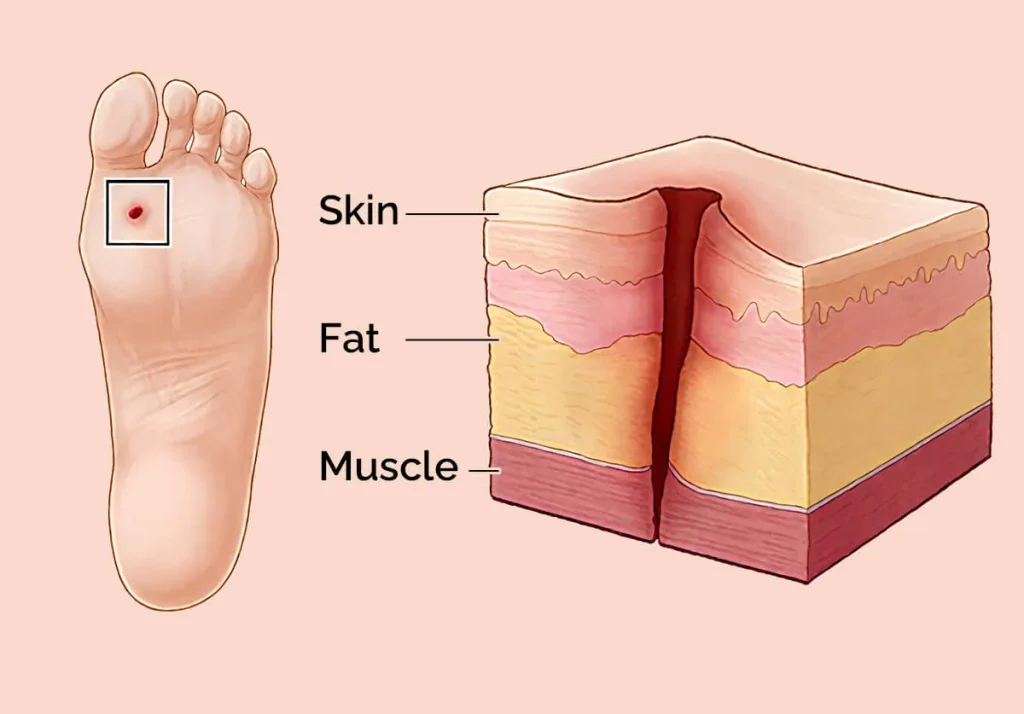
Key Differences & Risks to Other Wounds
High Infection Risk
Puncture wounds often have a small opening on the surface but can push bacteria deep into the body. This makes cleaning difficult and creates a higher risk for infection, especially from bacteria that grow without air, like tetanus. Proper cleaning and use of medical dressings that prevent infection are very important.
Hidden Depth
Although the wound may look small from the outside, the injury can go deep into the tissue. This makes it hard to know how serious the damage is just by looking at the skin. Medical professionals may need to examine it further, and dressings help keep it clean and protected during healing.
Damage to Deeper Structures
A puncture can reach deeper parts of the body and may damage important areas like nerves, blood vessels, tendons, or even bones. These injuries can lead to long-term problems if not treated properly. Medical dressings help cover and protect the wound while deeper treatment is arranged.
Foreign Objects
Sometimes, pieces of the object that caused the injury—like splinters, glass, or metal—can break off and stay inside the wound. This can cause infection or slow healing. The wound needs to be carefully checked and cleaned, and medical dressings are used to protect it after any removal.
Puncture Wound Care

Immediate First Aid for Puncture Wounds
Assess the Situation & Call for Help
First, make sure the area is safe before helping with a puncture wound. Check how serious the injury is. If the wound is very deep, caused by a dirty object, results from an animal bite, or is bleeding heavily, it may be serious. In these cases, after clean the wound, emergency medical help should be called right away to prevent infection or further damage.
Do NOT Remove Embedded Objects (If Present)
If an object is stuck in the wound, do not try to pull it out. Removing it could cause more harm or lead to severe bleeding. Instead, keep the object steady and avoid moving it. Medical professionals will remove it safely at the hospital.
Control Bleeding
To stop bleeding, gently press a clean cloth or sterile gauze around the wound. Do not press directly on an embedded object, if present. Lifting or elevating the injured area can also help reduce bleeding by slowing down blood flow to the wound.
Clean the Wound (If Object is NOT Embedded & Minor)
If the wound is small and there is no object inside, wash hands well before cleaning the wound. Gently rinse the area with mild soap and plenty of clean, running water for a few minutes. Allow a small amount of bleeding, as this can help flush out dirt or germs. Avoid scrubbing the wound or using strong chemicals like hydrogen peroxide or alcohol, as they can irritate the tissue.
When to Seek Medical Attention Immediately
Deep Puncture Wounds
Any puncture wound that is deep, especially if it might reach joints, bones, or internal organs, needs urgent medical attention. These wounds are harder to clean properly and can cause serious damage beneath the skin. Medical dressings alone are not enough, and professional care is needed to prevent complications.
Puncture Wounds Caused by Dirty or Rusty Objects
If the wound was caused by a dirty or rusty object, it carries a higher risk of infection, including tetanus. Such wounds should be checked by a healthcare professional immediately, even if they seem small, to ensure proper cleaning and treatment with appropriate medical dressings.
Animal or Human Bites
Puncture wounds caused by animal or human bites can introduce harmful bacteria deep into the skin. These wounds can become infected quickly and often require antibiotics and careful wound care. Immediate medical evaluation is important to reduce the risk of serious infection.
Puncture Wounds Causing Significant Pain, Numbness, or Weakness
If a puncture wound causes strong pain, numbness, or weakness in the injured area, it may have damaged nerves or other important structures. Medical attention is necessary to properly assess and treat the injury, as well as to apply the correct medical dressings.
Heavy Bleeding That Does Not Stop
When a puncture wound bleeds heavily and does not stop even after applying direct pressure, emergency medical care is needed. Uncontrolled bleeding can be life-threatening, and professional treatment will include proper wound dressing and possible further intervention.
Signs of Infection
Any signs of infection, even mild ones such as redness, warmth, swelling, or pus, should prompt immediate medical attention. Infections in puncture wounds can worsen quickly and may require antibiotics and specialized wound dressings to heal properly.
Uncertain Tetanus Vaccination Status
If it is not clear whether tetanus vaccinations are up to date, it is important to seek medical advice. Tetanus is a serious infection that can enter the body through puncture wounds, and medical professionals may provide a booster shot as a precaution.
Ongoing Care After Medical Assessment
Follow Doctor’s Instructions
It is very important to follow all instructions from the doctor carefully. This includes taking any prescribed antibiotics, changing dressings as directed, and avoiding activities that could harm the wound or slow healing
Tetanus Shot
A tetanus shot may be needed after certain wounds, especially if the injury was caused by something rusty, dirty, or involving soil. Tetanus is a serious infection that affects the muscles and nerves. If the last tetanus shot was more than 5–10 years ago, the doctor might give a booster shot. Keeping this vaccination up to date helps prevent dangerous infections.
Daily Cleaning
Cleaning the wound daily is important to remove any bacteria, dried blood, or dirt. This should be done gently, using clean water or a mild wound cleanser recommended by a healthcare provider. Harsh scrubbing or using strong chemicals like hydrogen peroxide can harm the healing tissue. After cleaning, the wound should be dried gently and covered with a fresh dressing.
Cover the wound
Keeping the wound covered with a clean bandage or medical dressing helps protect it from germs, dust, and contact with clothing or surfaces. Covering also helps keep the wound moist, which faster healing and prevents the skin from drying out and cracking. A covered wound is less likely to get infected or reopen.
Change the dressing
The dressing must be changed every day or sooner if it becomes wet, dirty, or loose. Wet or soiled dressings can become a breeding ground for bacteria and cause infection. When changing the dressing, hands should be washed properly, and clean materials should be used to avoid introducing germs into the wound.
Monitor for Infection
It is important to check the wound often for signs of infection. Warning signs include more pain than usual, pus or cloudy fluid, a bad smell, redness that spreads, swelling, or fever. On brown or Black skin, infection may not look red—it may show up as grayish-purple or darker streaks. If the wound is not getting better or these signs appear, a doctor should be seen right away. Catching an infection early helps prevent more serious problems.
Puncture Wound Care with Our Medical Dressings
Puncture wounds are small but deep injuries caused by sharp objects like nails, needles, or glass. These wounds are harder to clean and carry a higher risk of infection because bacteria can easily get trapped inside. Skin Injury Healing Solution made with Ganoderma Lucidum Chitosan is especially helpful in treating puncture wounds. The natural antibacterial and antifungal properties of Ganoderma help protect the wound from infection. The dressing also supports moist wound healing, reduces inflammation, promotes tissue repair deep within the wound, speed up the different stages of woulnd healing. Its biocompatible and gentle formula makes it safe for use on sensitive skin, offering a complete solution for managing puncture wounds safely and effectively.
- Infection Defense: Puncture wounds can trap bacteria deep inside the skin, which increases the risk of infection. Our medical dressings, made with Ganoderma Lucidum Chitosan, have natural antibacterial and antifungal properties that help fight germs and protect the wound from getting infected.
- Protective Barrier: These dressings form a thin, protective layer over the small opening of the puncture wound. This layer keeps dirt and harmful germs out while still allowing air to pass through, which helps the wound heal safely.
- Optimal Moist Healing: Our gel and spray dressings keep the wound moist, which is very important for healing deep wounds. A moist environment helps the skin repair itself from the inside out, reduces the chance of dead tissue (necrosis), and supports the growth of new, healthy tissue.
- Reduced Scarring: By preventing infection and supporting natural healing, our dressings help reduce the chance of complications. This leads to smoother healing and less visible scarring once the wound is closed.
