

What is a Hydrogel Dressing?
Hydrogel dressings are a group of wound care products made from water-based or glycerin-based polymers. These dressings typically contain 80% to 99% water, giving them a cooling, gel-like consistency. The moisture they provide helps create a hydrated wound environment, which is important for healing, reducing pain, and removing dead tissue (debridement).
Hydrogel dressings are especially useful for dry, painful, or necrotic wounds, including burns, pressure ulcers, surgical wounds, and skin tears. Some hydrogel products are amorphous and spreadable, while others come in more structured forms like sheets or impregnated gauze.
Hydrogel dressings come in different forms to suit different types of wounds
- Amorphous hydrogel is a free-flowing gel applied directly into the wound using a tube or syringe.
- Hydrogel sheets are thin, flexible sheets that cool the wound and hold moisture in place.
- Hydrogel-impregnated gauze combines the moisture of hydrogel with the structure of gauze for easier handling and absorption.
These forms make hydrogel dressings suitable for burns, dry wounds, surgical sites, pressure ulcers, and skin tears.
Key Characteristics
| Feature | Description |
| Gel-like Consistency | Soft, flexible, and sometimes transparent. Offers a cooling effect and soothes the wound. Found in all hydrogel types: gel, sheet, and impregnated gauze. |
| High Water Content | Contains 80%–99% water or glycerin, providing moisture that supports faster healing and easier removal of dead tissue. |
| Non-Adherent | Usually does not stick to the wound. This helps reduce pain when changing dressings and protects newly forming tissue. |
| Versatile Formats | Available as amorphous gel, soft sheets, or hydrogel-infused gauze. These options provide flexibility to match different wound shapes, depths, and levels of dryness. |
How Hydrogel Dressings Work

Moisture Donation
Hydrogel dressings are made with a high percentage of water. This water helps donate moisture to dry or dehydrated wounds. When a wound has dead tissue (like slough or eschar), the added moisture helps rehydrate the tissue. This supports a natural process called autolytic debridement, where the body breaks down and removes dead tissue on its own. This makes it easier for healthy tissue to grow and for the wound to heal.
Moisture Absorption
Even though hydrogel dressings are mainly used to give moisture, some types also have the ability to absorb small amounts of fluid from the wound. This is helpful when the wound produces a little exudate (fluid), keeping the wound from becoming too wet.
Creating an Optimal Environment
Hydrogel dressings help keep the wound moist, and this moist environment is important for faster and better healing. It has been scientifically shown that a moist wound environment:
- Helps cells move and grow more easily.
- Speeds up the healing process.
- Reduces pain and makes the wound more comfortable.
- Minimizes scarring after healing.
By maintaining the right balance of moisture, hydrogel dressings create the best conditions for wounds to heal properly.
Cooling Effect
Because of their high water content, hydrogel dressings feel cool and soothing when applied to the skin. This cooling effect helps relieve pain, especially in wounds like burns, where the skin is sensitive and painful. The cooling sensation can help calm the area and provide comfort to the patient.
Key Advantages of Using Hydrogel Dressings
Promotes Autolytic Debridement
Hydrogel dressings help in autolytic debridement, which is the body’s natural way of cleaning a wound. When applied, the hydrogel rehydrates dry or dead tissue (also called necrotic tissue). This softening makes it easier for the body’s enzymes and white blood cells to break down and remove the dead tissue. This process is gentle, painless, and supports a cleaner wound bed for healing.
Pain Relief
Hydrogel dressings have a cooling effect on the skin. This cooling sensation soothes the wound area, helping to reduce pain, especially in burns, ulcers, and inflamed wounds. The moist, soft texture of the hydrogel also prevents dryness and friction, which are common causes of wound pain.
Moist Wound Healing
Moisture is essential for faster and better healing. Hydrogel dressings provide and maintain moisture at the wound site. This helps:
- Encourage cell growth and new tissue formation
- Prevent the wound from drying out or cracking
- Reduce the risk of infection and scabbing
Moist wound healing also speeds up recovery and leads to better cosmetic outcomes.
Non-Adherent
Hydrogels do not stick tightly to the wound or surrounding skin. This makes dressing changes much easier and less painful, especially for people with sensitive or damaged skin. Because the dressing lifts off gently, it helps avoid additional injury during removal.
Conformable
Hydrogel dressings are soft, flexible, and easily mold to the shape of the wound. They can be used even on areas that are irregular, curved, or hard to cover (like elbows, heels, or knees). This ensures complete coverage and contact with the wound surface, which improves healing.
Transparent
Most hydrogel dressings are clear or semi-transparent, which allows easy observation of the wound without removing the dressing. This reduces unnecessary dressing changes, helps track the healing process visually, and lowers the risk of disturbing the wound bed.
Reduced Scarring
Hydrogels create a moist, balanced environment that supports organized tissue regeneration. This can result in smoother skin healing and less scarring. By reducing dryness and trauma, hydrogel dressings can improve the cosmetic outcome of the healed skin.
What is a Hydrogel Dressing Used For?
Dry or Minimally Exuding Wounds
Hydrogel dressings are ideal for dry or minimally exuding wounds because they add moisture to the wound area. This is important for helping skin cells grow and move, which speeds up healing. The gel keeps the wound moist without making it too wet, creating the perfect environment for the skin to repair itself.
Necrotic or Sloughy Wounds
Hydrogel dressings work very well on necrotic or sloughy wounds. These are wounds with dead or soft tissue that needs to be removed for proper healing. The moisture in the hydrogel helps to soften and break down this tissue gently, a process called debridement. This makes it easier to clean the wound without causing damage to healthy tissue.
Painful Wounds
For painful wounds, hydrogel dressings are a great choice. They have cooling properties that help to soothe the wound and reduce pain. The soft gel also prevents the dressing from sticking to the wound, which means less pain when changing it. This makes hydrogel dressings especially helpful for people with sensitive or tender skin.
Burns
A hydrogel dressing for burns is especially helpful for treating first-degree and second-degree burns.
- First-degree burns affect only the top layer of skin. They may cause redness, mild swelling, and pain.
- Second-degree burns go deeper and can cause blisters, more intense pain, and wet-looking wounds.
A hydrogel dressing for burns works by:
- Cooling the skin and reducing pain.
- Providing moisture, which helps keep the wound soft and promotes faster healing.
- Protecting the burn from dirt and bacteria, reducing the risk of infection.
- Soothing the skin, especially in painful or sensitive areas.
Because of its moist and gentle nature, a hydrogel dressing for burns is often used in hospitals and clinics as a preferred choice for burn treatment. It helps the skin repair itself while keeping the wound environment clean and calm.
Pressure Ulcers (Stages II-IV)
These dressings are especially useful for pressure ulcers, also known as bedsores, particularly in Stage II to IV wounds that may have dry scabs (eschar) or slough. Hydrogel dressings keep the area moist, helping to gently soften the damaged tissue and promote healing.
Donor Sites
Hydrogel dressings are commonly used on donor sites, which are areas where skin has been taken for a skin graft. These dressings protect the site, keep it moist, and support tissue regeneration with minimal pain.
Emerging & Advanced Hydrogel Dressings
Collagen Hydrogel Wound Dressing
Collagen hydrogel wound dressings are an advanced type of wound care product that combines collagen with hydrogels. Collagen is a natural protein found in the skin and other tissues of the body. When used in hydrogel form, collagen becomes soft, moist, and flexible — making it ideal for wound healing, especially for the Recombinant Human Collagen III Medical Dressing.
These dressings act like a scaffold, which means they give structure and support for new skin cells to grow. This helps the body repair the wound faster. The moist environment of the hydrogel also keeps the wound clean and protected while encouraging tissue regeneration.
Chitosan Hydrogel Wound Dressing
Chitosan hydrogel wound dressings are made by combining chitosan, a natural polymer, with hydrogel materials. Chitosan comes from natural sources like fungi or crustacean shells, and it is known for its powerful antimicrobial (germ-fighting) and healing abilities.
When NOT to Use Hydrogel Dressings
Heavily Exuding Wounds
Hydrogel dressings are not a good choice for wounds that produce a lot of fluid. These dressings have limited ability to absorb excess wound fluid, so they can easily become overwhelmed. When this happens, the fluid may leak out and cause the skin around the wound to become soft and damaged, a condition called maceration. This can slow healing and increase the risk of infection.
Infected Wounds
Hydrogel dressings help keep the wound moist, which supports healing. However, standard hydrogel dressings do not kill bacteria. If a wound is infected and the infection is not being treated with other methods (like antibiotics or antibacterial dressings), a basic hydrogel might trap bacteria inside the wound and make the infection worse.
An exception is active hydrogels, such as chitosan hydrogel wound dressings, which can help fight bacteria due to their natural antimicrobial properties.
Deep Cavity Wounds
Hydrogel dressings are soft and gel-like, so they cannot support or fill deep or large cavity wounds on their own. If used without additional materials to fill the wound, the dressing may collapse or not reach all areas, leaving spaces where fluid or bacteria can collect. This can delay healing or increase the risk of infection.
How to Apply and Care for Hydrogel Dressings
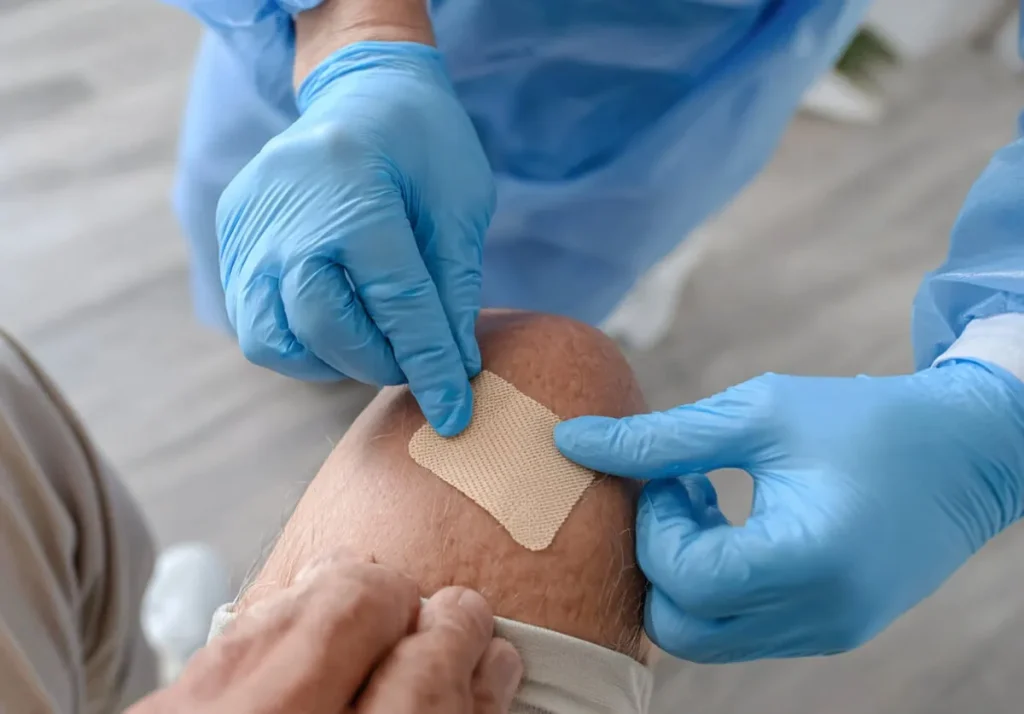
Clean the Wound
Before applying any dressing, the wound and the skin around it must be cleaned gently. This helps remove any dirt, bacteria, or dead tissue. Proper cleaning reduces the risk of infection and prepares the wound for better healing.
Apply the Hydrogel
Once the wound is clean, place the hydrogel directly onto the wound bed. The hydrogel provides moisture, which helps keep the wound environment moist—this supports natural healing and can also reduce pain.
Secure with a Secondary Dressing
Hydrogels are soft and often need support to stay in place. A secondary dressing, such as sterile gauze or a transparent film, is used to cover the hydrogel. This helps keep the dressing secure and absorbs any slight fluid (exudate) coming from the wound.
Frequency of Change
Hydrogel dressings usually need to be changed every 1 to 3 days. However, the exact timing depends on the wound’s condition and the type of hydrogel product being used. Regular changes help keep the wound clean and prevent infection.
Monitor the Wound
The wound should be checked regularly to monitor its healing progress. It is also important to watch for any warning signs of complications, such as:
- Excess moisture (maceration)
- Swelling, redness, or pus (signs of infection)
Early detection of any issues helps ensure proper treatment and supports better healing outcomes.
Enhance Your Wound Care with Our Medical Dressings
Our medical dressing manufacturing service offers advanced solutions that go beyond the benefits of traditional hydrogel dressings. These products are specially designed to support faster, safer, and more effective wound healing.
One of the highlights is the “ Skin Healing Solution”, a medical dressing made using Ganoderma-sourced chitosan. This dressing is a superior alternative or an excellent complement to standard hydrogel dressings.
- Optimal Moist Healing: Our Gel and Sheet Mask dressings work like traditional hydrogels by providing excellent moisture to dry wounds. This moisture helps soften and remove dead tissue naturally (called autolytic debridement), which is important for healing.
- Superior Pain Relief & Soothing: Similar to hydrogels, our products offer a cooling and soothing effect that reduces pain and discomfort. This makes them especially good for treating painful wounds such as burns, where quick relief and calming are needed.
- Hypoallergenic & Pure: Made from plant-based chitosan, our dressings are safe and gentle for sensitive skin. Unlike some dressings made from shellfish or containing heavy metals, these are free from allergens and impurities..
Partner with us, and it is possible to create a private-label line of medical dressings that combine the best benefits of hydrogel technology with advanced healing properties. These products deliver superior wound care and meet high safety standards. Contact us today to explore how to bring these innovative solutions to the market.
