

Understanding Burn Degrees
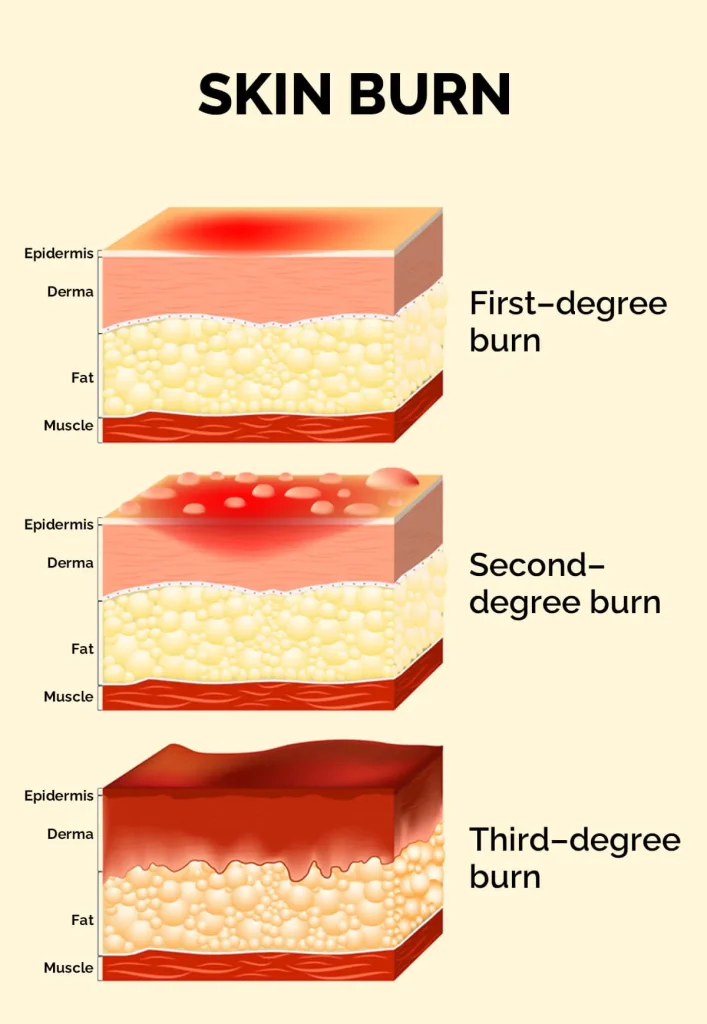
In burn wound care, it is important to understand both the size and depth of the burn. The size is measured by estimating the percent of total body surface area (TBSA) affected by the burn; this shows how much of the skin has been injured. The depth of the burn is determined by several factors, including how the burn happened, the temperature of the burning source, how long the skin was in contact with it, and how thick the skin is in that area. Burn injuries are classified into three degrees based on how deep the damage goes. This classification helps doctors decide the best treatment plan, including the use of suitable medical dressings to protect the burn area, prevent infection, and support healing.
First-Degree Burns
First-degree burns affect only the outermost layer of the skin, called the epidermis. These burns are usually mild and may cause redness, pain, and dryness, but they do not form blisters. A common example is a mild sunburn. While these burns usually heal on their own, medical dressings can still be helpful to protect the area, keep it clean, and reduce discomfort.
Second-Degree Burns
Second-degree burns go deeper, affecting both the epidermis and part of the dermis, the second layer of skin. They often cause redness, swelling, pain, and blisters. Examples include scalds from hot liquids or a severe sunburn. These burns are more serious and may take longer to heal. Using advanced medical dressings can help manage pain, reduce the risk of infection, and maintain a moist environment that supports faster skin repair.
Third-Degree Burns
Third-degree burns are the most severe, damaging all layers of the skin and sometimes reaching fat, muscle, or even bone. The skin may look white, leathery, or charred, and the area may feel painless due to nerve damage. These burns are medical emergencies and always need immediate professional treatment. Specialized medical dressings play a critical role in covering the wound, preventing infection, and preparing the area for further care, such as surgery or grafting.
Immediate First Aid for Burns

Stop the Burning Process
The first and most important step is to remove the person from the heat source to prevent further injury. If clothing is on fire, the flames should be smothered immediately using a blanket or by having the person stop, drop, and roll. It is also important to remove any tight clothing, belts, or jewelry near the burned area before the skin starts to swell. This helps avoid additional pressure and allows for proper application of medical dressings later during wound care.
Cool the Burn
The burned area should be gently cooled with cool running water for at least 10 to 20 minutes. This helps reduce heat, pain, and damage to the skin. However, ice, butter, oil, or other home remedies should never be used, as they can cause further skin damage or infection. After cooling, the wound can be covered with a clean, non-stick medical dressing to protect it from germs and support the healing process.
Protect the Burn
After cooling the burn, the next step is to protect the area by covering it loosely with a clean, non-stick, sterile dressing or cloth. This helps keep the wound clean, prevents infection, and shields it from further injury. It is important to avoid breaking any blisters, as they protect the underlying skin during healing. Cotton or fluffy materials should not be used, as loose fibers can stick to the wound and cause irritation. Using a proper medical dressing ensures safe protection while promoting a clean healing environment.
Manage Pain
For minor burns, pain can be managed with over-the-counter pain relievers such as ibuprofen or acetaminophen. These medicines help reduce pain, swelling, and discomfort. Keeping the burn protected with a soft, sterile medical dressing also helps soothe the area and prevents further irritation, making it easier to manage pain during recovery.
When to Seek Medical Attention for Burns
All third-degree burns
Third-degree burns are very serious because they damage all layers of the skin and may affect deeper tissues like fat, muscle, or bone. These burns often look white, dry, or charred and may not cause pain due to nerve damage. Immediate medical attention is always required, and advanced medical dressings are used to protect the wound, prevent infection, and support further treatment like skin grafts.
Second-degree burns larger than 3 inches (7-8 cm) in diameter
When a second-degree burn covers a large area—more than 3 inches—it can cause significant fluid loss, pain, and a higher risk of infection. These burns should be treated by a healthcare professional. Proper medical dressings help manage pain, keep the area moist, and protect the wound while healing.
Burns on sensitive areas
Burns in sensitive or high-movement areas such as the face, hands, feet, joints, or groin need special care. These parts of the body are important for function and appearance, and improper healing can cause long-term problems. Medical dressings help protect these areas while reducing the risk of scarring and movement restriction.
Burns caused by chemicals or electricity
Chemical and electrical burns can cause internal damage that is not always visible on the skin surface. These types of burns are dangerous and always need medical attention. After the area is properly cleaned and assessed, specialized dressings are used to prevent infection and help the wound heal safely.
Burns that show signs of infection
If a burn becomes redder, more swollen, starts leaking pus, or is followed by a fever, it may be infected. Infected burns can lead to serious complications if not treated quickly. In these cases, antimicrobial medical dressings are used to fight infection and promote healing.
Burns in infants, young children, or elderly individuals
Burns in babies, small children, or elderly people should always be seen by a doctor, even if they look small. These age groups have more delicate skin and weaker immune systems, which makes healing harder. Gentle, protective medical dressings are needed to support recovery and prevent further harm.
Burns that are very painful or don’t improve
If a burn causes severe pain or does not show signs of healing after a few days, it may be deeper or more serious than it first appeared. A doctor should evaluate it to decide the best treatment. Advanced medical dressings can help relieve pain, protect the area, and support better healing.
Burn Wound Care
Gentle Cleaning
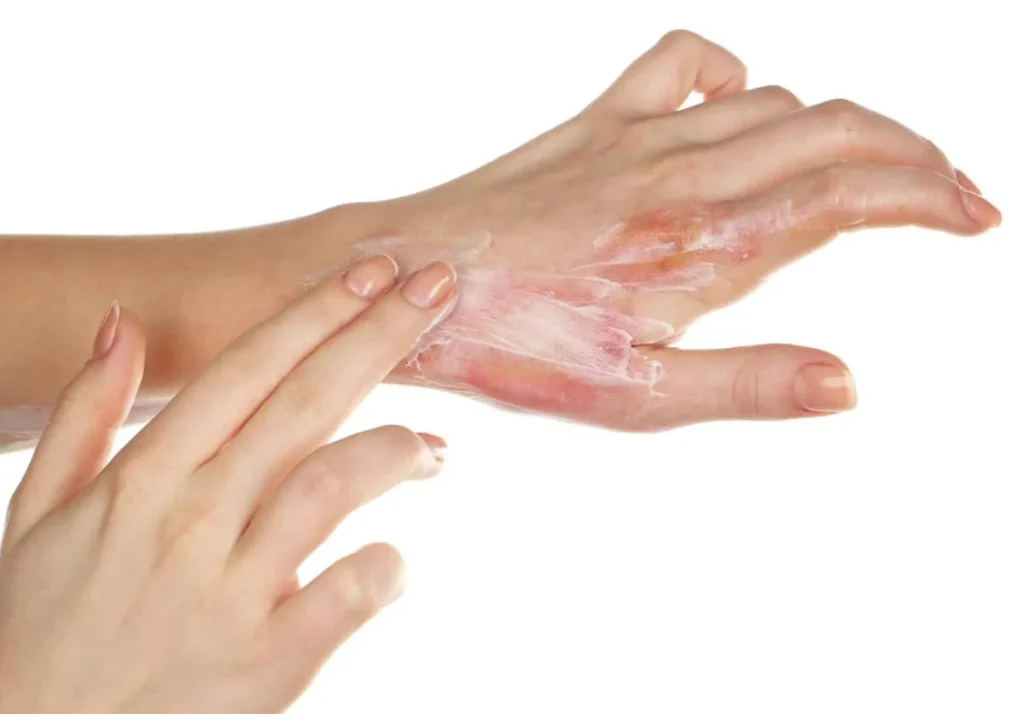
Proper cleaning is an important first step in caring for a burn wound. It usually involves gently washing the area with mild soap and clean water, as advised by a healthcare professional. This helps remove dirt, bacteria, and dead tissue, lowering the risk of infection. Once the wound is clean, applying the right medical dressing helps protect it and support the healing process.
Maintaining a Moist Healing Environment
Keeping a burn wound moist is very important for healing. A moist environment helps reduce pain, prevents the wound from drying out, and lowers the risk of scarring. It also allows new skin cells to grow more easily. Medical dressings designed for burns are specially made to hold in moisture while still protecting the wound from infection and outside irritation.
Dressing Changes
Changing the dressing regularly is important for keeping the burn clean and helping it heal. Dressings should be changed as instructed by a healthcare professional, using clean hands and supplies to maintain hygiene. Frequent and proper dressing changes reduce the risk of infection and make sure the wound stays in the best condition to heal well.
Pain Management
Burn wounds can be very painful, especially during the healing process. It is important to continue using prescribed or recommended pain relief to keep the patient comfortable. Medical dressings can also help reduce pain by covering exposed nerve endings, protecting the wound from friction, and keeping the area moist. Advanced dressings made for burns are designed to minimize pain during both wear and dressing changes.
Infection Monitoring
Burned skin is at a high risk of infection because the protective barrier of the skin is damaged. It is important to check the wound regularly for signs of infection, such as redness, swelling, increased pain, unusual discharge, or bad odor. Medical dressings help reduce this risk by acting as a protective barrier, keeping the wound clean, and sometimes including antimicrobial ingredients to stop bacteria from growing. Proper monitoring and dressing care are key to preventing serious complications.
Long-Term Burn Care Management
Moisturizing
After a burn wound has healed, the new skin is often fragile and dry, making regular moisturizing very important. Using fragrance-free lotions or creams 3 to 4 times a day helps keep the skin soft and reduces tightness or cracking. It is important to choose gentle products to avoid irritation. If the face is healing and acne appears, moisturizing can be reduced to prevent clogged pores. Moisturizing supports healthy skin recovery and comfort during long-term care.
Blisters & Skin Tears
Blisters and skin tears can still happen even after the initial burn heals, especially on sensitive or healing skin. They should be carefully cleaned, and any fluid should be drained in a sterile way. Applying an antibiotic ointment helps prevent infection, and using nonstick medical dressings protects the skin without causing pain during dressing changes. Adhesive bandages should be avoided, as they can pull on the skin and cause further tearing or damage.
Ulcerations
Ulcers are open wounds that often appear over joints or areas where the skin stretches and moves a lot. These areas need to be kept covered with ointment and a non-stick dressing to protect them and help them heal. Regular care is important to prevent infection and reduce the risk of deeper tissue damage. Medical dressings provide a moist, clean environment that supports safe healing over time.
Allergic Reactions
In long-term burn care management, allergic reactions can sometimes occur when certain products or dressings are used on the skin. A common sign of an allergic reaction is the appearance of a rash, irritation, or redness around the wound or dressing site. If this happens, it is important to stop using all products immediately to avoid making the reaction worse. Once the skin calms down, products can be reintroduced one at a time to identify which one caused the reaction. Using allergen-free medical dressings, especially those made with gentle, natural materials like plant-based chitosan, can help reduce the risk of such reactions in sensitive or healing skin.
Advanced Burn Care with Our Medical Dressings

Advanced burn care requires dressings that do more than cover a wound. Our medical dressing manufacturing services focus on creating high-performance products designed to meet the needs of different burn injuries. These dressings are made with safe, skin-friendly materials and developed to help reduce pain, prevent infection, and support faster healing. Whether for minor or serious burns, our dressings provide reliable care backed by science and quality manufacturing.
The Healing Solution, made with Ganoderma Lucidum chitosan, is specially designed for effective burn wound care. It offers natural antibacterial and anti-inflammatory benefits, creating a protective barrier over the burn while keeping the wound moist, ideal conditions for healing. This dressing is suitable for various burn types, including first, second, and some third-degree burns. Its gentle, allergen-free formula helps soothe the skin, reduce the risk of infection, and speed up recovery, making it a trusted solution for advanced burn management.
- Immediate Cooling & Pain Relief
Our sheet mask and spray dressings help cool the burn quickly. This cooling lowers the skin temperature right away, which helps reduce pain and redness. This is very important in the first steps of burn care.
- Optimal Moist Healing Environment
These dressings keep the burn moist, which is good for healing. A moist environment stops the skin from drying out and helps the damaged skin grow back faster.
- Reduced Scarring
By helping healthy skin grow and stopping the wound from shrinking too much, our dressings can reduce the chance of ugly scars forming after a burn heals.
- Gentle & Biocompatible
Made from plant-based Ganoderma Lucidum Chitosan, the dressings are safe and gentle on the skin. They do not contain heavy metals or allergens, so they don’t irritate sensitive burn wounds.
FAQ
Burns should be covered, not left open to breathe. Healing works best when the burn is kept in a moist and protected environment. Using a sterile, non-stick medical dressing helps prevent infection and reduces pain by protecting the wound from dirt and irritation. Leaving a burn exposed to air, or “breathing,” can cause the wound to dry out, which increases the chance of scarring and infection. Covering the burn properly supports faster and safer healing.
Keep the wound clean and moist
Cleaning the burn and using antibiotic ointments or hydrogel dressings helps protect the skin and keeps it moist, which speeds up healing and prevents the wound from drying out.
Stay hydrated and eat protein-rich foods
Drinking enough water and eating foods high in protein supports the body’s repair process by providing the nutrients needed to rebuild skin and tissue.
Avoid smoking
Smoking reduces blood flow and oxygen to the skin, which slows down healing. Staying away from smoking helps the body heal burns faster.
Use advanced dressings (like silver or honey-based)
Specialized dressings with silver or honey reduce inflammation and kill bacteria, lowering the chances of infection and scarring. These dressings help create a healthy healing environment.
A burn wound should be kept moist, not wet. Keeping the wound dry can cause the skin to crack and increase the chance of scarring. However, soaking a burn in water or other liquids for too long can raise the risk of infection. The best approach is to use moisturizing ointments or specialized medical dressings, like hydrocolloid dressings, which help maintain the perfect level of moisture. This moist environment supports faster healing, reduces pain, and helps prevent scarring
The yellow liquid that sometimes comes from a burn wound is called plasma, and it is a normal part of the healing process. Plasma is a clear, watery fluid that helps clean the wound and supports tissue repair. However, if this liquid becomes thick, has a bad smell, or if there is redness around the wound or a fever, these could be signs of an infection. In such cases, it is important to seek medical attention promptly to prevent complications.
Toothpaste should never be put on burns. It can irritate the skin and may trap heat inside the burn, making the injury worse. The safest and most effective first aid for burns is to cool the area with cool running water and then cover it with a proper medical dressing designed for burns. This helps reduce pain, prevent infection, and promote healing.
Ice should not be used on burns because it can cause frostbite and damage the skin even more. Instead, the best first aid is to gently run cool (not cold) water over the burn for 10 to 15 minutes. This helps lower the temperature of the skin without causing extra harm, reducing pain and preventing further injury.
